Korean Iowan says honor Korean War vets, kin
Posted
on Friday, April 10, 2026
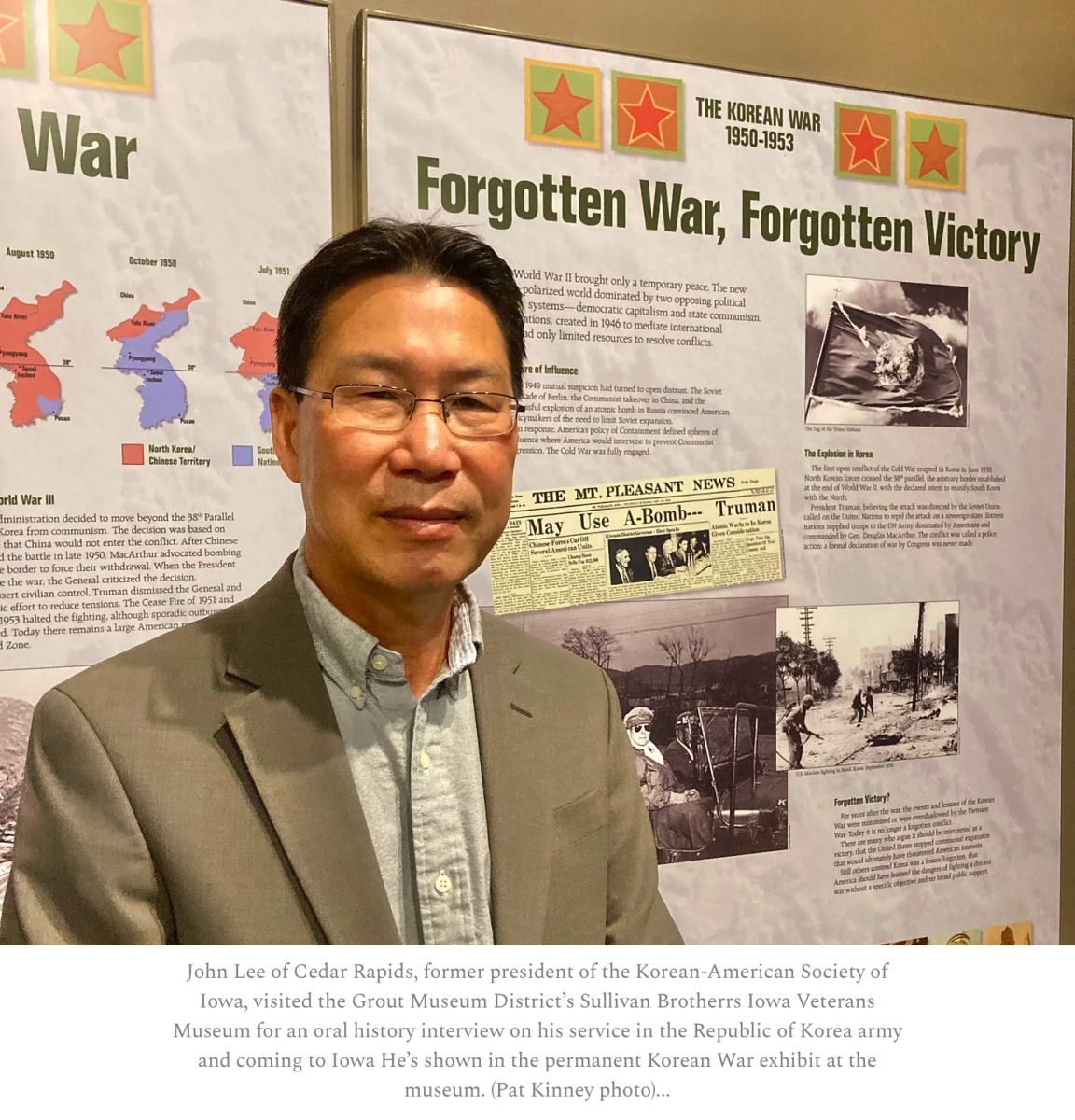
WATERLOO — John Lee remembers using the lids of U.S. Army ammunition boxes for sledding as a little boy in South Korea.
The twin metal rails that clamped the lid down around the outside of the box made perfect sled runners on icy surfaces. And there was plenty of ice, because it could get plenty cold in Korea.
He also remembers, in warmer seasons, hearing rats run across the roof of his home.
He also was warned as a young child in school against approaching unexploded bombs. Displays of different kinds of projectiles were shown in school to warn the children against playing or tampering with them.
“The aftermath of the war clearly could be seen,” he said.
That war was the 1950-53 Korean War.
Its effects could not only be seen, but felt — in the aching of physical hunger and the emptiness of separation.
“During the war, one of my uncles I never met, I only heard about, got picked up by the North Koreans. My mother’s brother.” The uncle went north with them when United Nations forces retook the area. He was never seen again.
John Lee wonders to this day if his uncle has a family.
“We probably have cousins, nephews, but that is gone,” he said.
Only a severe illness spared his father from conscription into the invading North Korean army. “His fate could be quite different,” he said. “Maybe I would have been born in North Korea.”
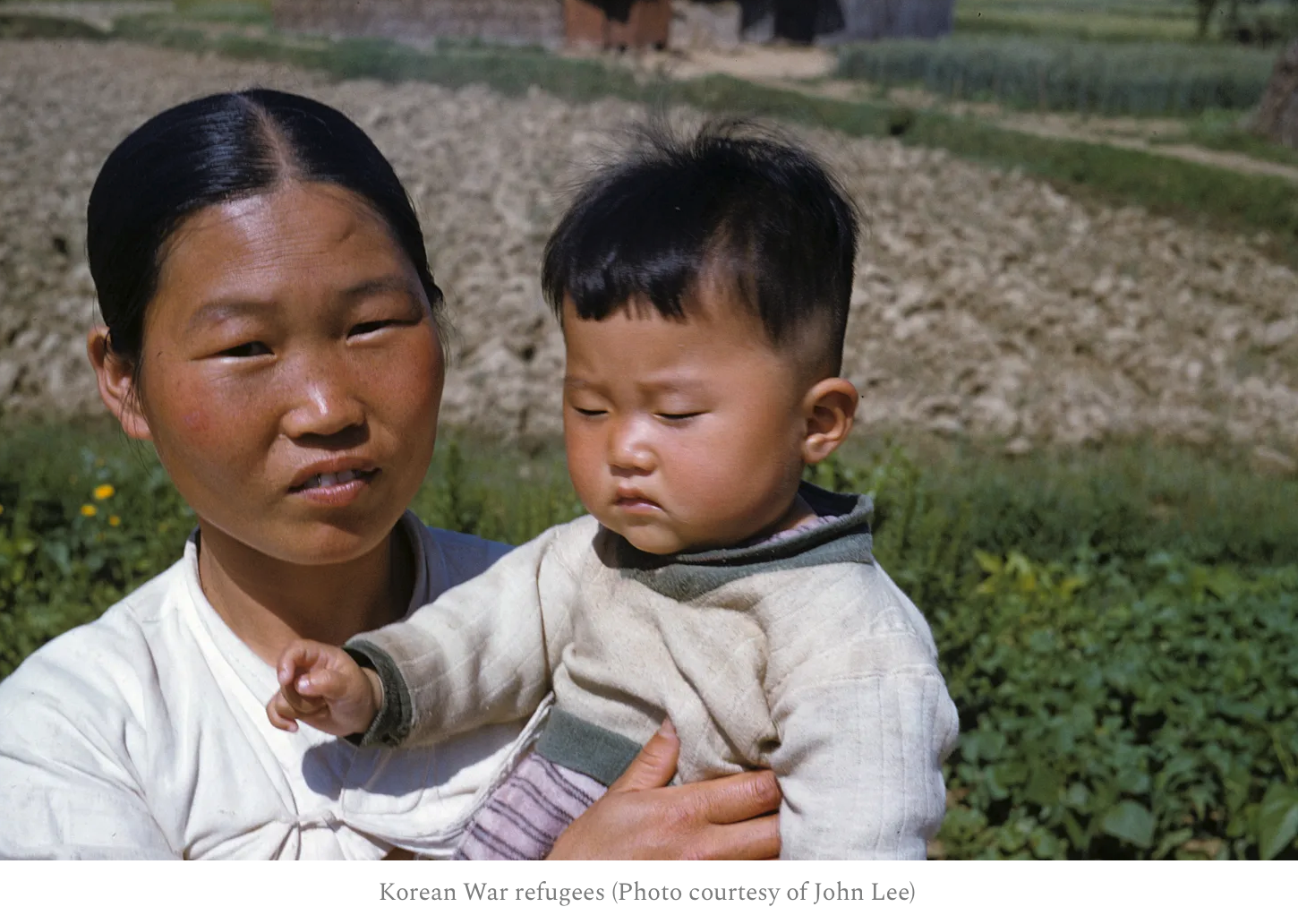
John Lee grew up in the devastation, poverty, and sense of loss that were the vestiges of the fighting that had ended a few years before he was born in 1959.
“Food was fair. Not everyone was fed enough. It wasn’t a factor in people dying, but there was a lot of tuberculosis going around,” he said. “I remember a lot of rats in the village. I could hear the rats running along the ceiling, We’d grab a stick to chase them away” by rapping on the ceiling.
But he also knows how far he and the land of his birth have come, beginning in the 1980s during his college years, when he served in the South Korean army. The land of his birth has the fourth largest economy in Asia and the 13th largest in the world, according to the International Monetary Fund.
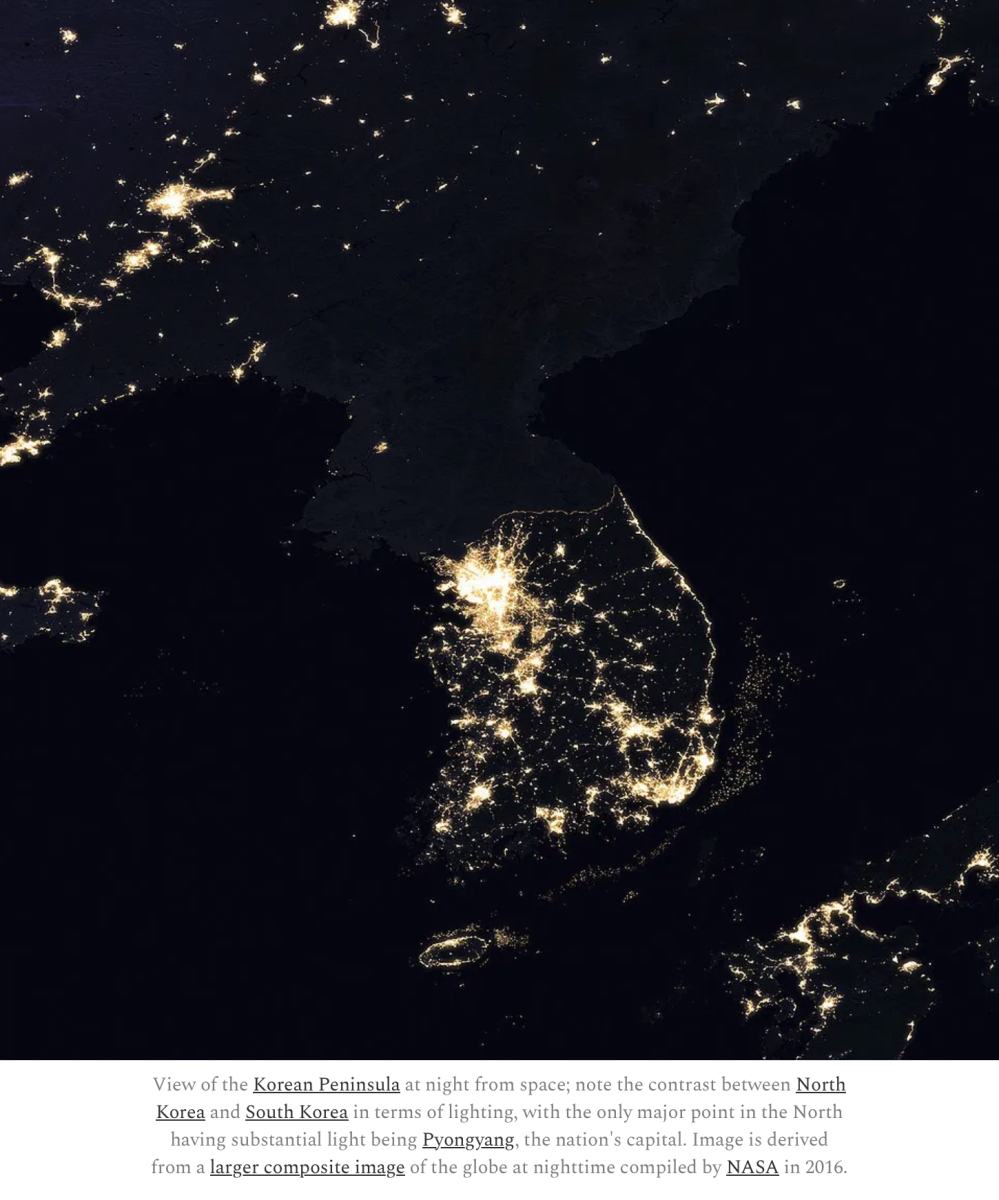
Korean War veterans and others frequently cite a NASA photo of the Korean peninsula at night, showing an illuminated South Korea and North Korea in darkness except for around the capital of Pyongyang.
Lee plans to visit a sister still in South Korea this year.
He and other South Koreans here and there deeply appreciate the sacrifice so many Americans made 75 years ago to keep his country free so it would eventually prosper. Veterans coming back to South Korea, he said, would not recognize the land where they served because it has prospered so much since they were there — thanks to them.
He wants Korea, “The Forgotten War,” not to be foregotten — nor those who fought and died in it or the families they left behind.
It’s a war which has never formally ended. Though an armistice ended the fighting in 1953, no formal peace treaty has ever been signed.
The people of Korea, he said, live under an ongoing possibility that war will break out again. It’s something native-born Americans will never know, Lee said, but something South Koreans accept as a way of life.
“People know what communism is. Hatred of communism was very intense. We’ve been constantly under the threat” of invasion, he said, “In high school we had a civil drill, preparing for chemical warfare. The country had continuously been under pressure of the possibility that another war can break out.”
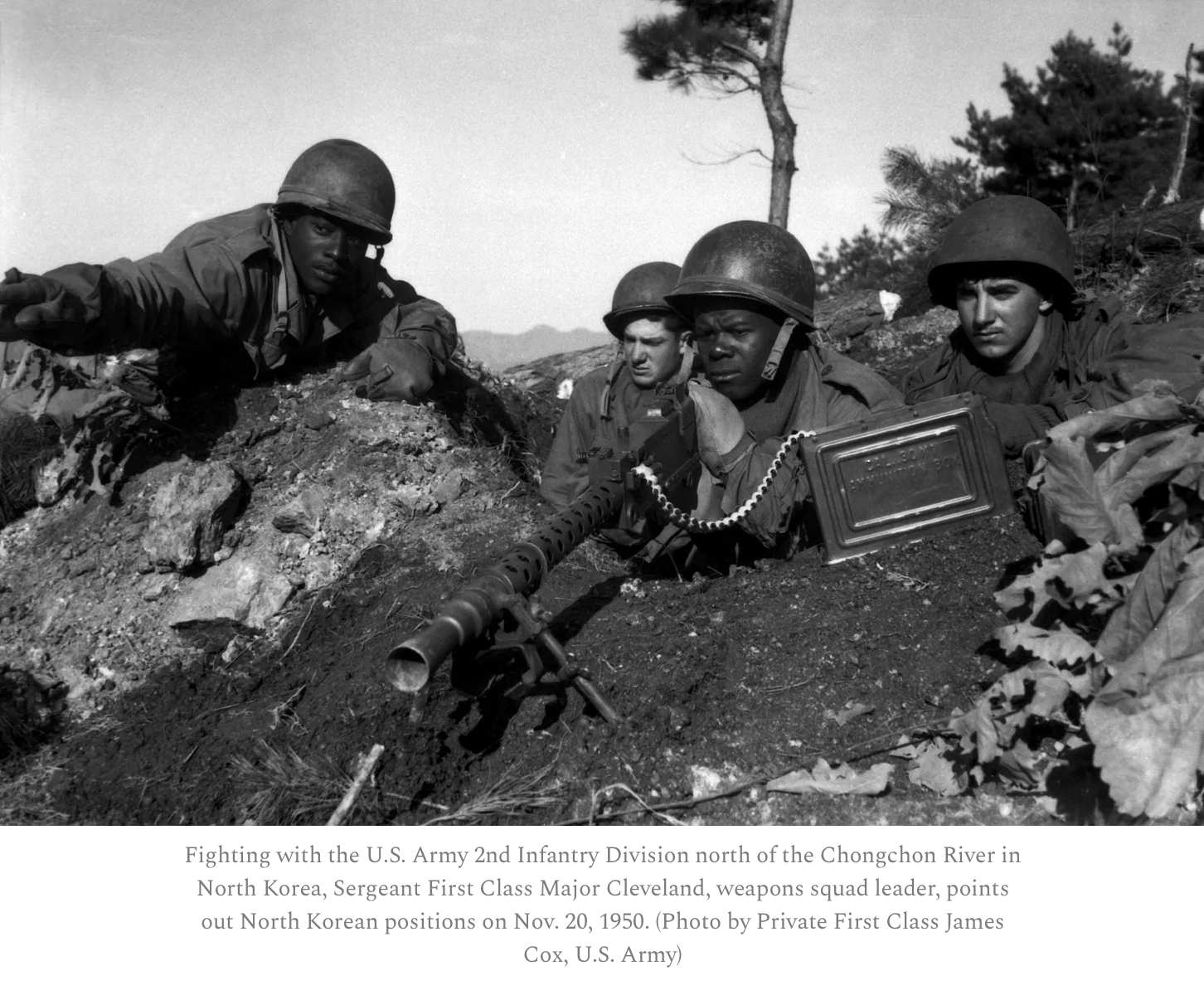
A “demilitarized zone” separates North and South Korea — and is, in reality, one of the most militarized borders on earth. Some 25,000 American troops still stand the watch there. Double that number gave their lives during that conflict three quarters of a century ago, along with 2 tto 2.5 million Koreans.
The South Korean capital of Seoul — a city of 10 million, larger and more densely populated than New York City — is only 30 miles from the demilitarized zone and well within range of enemy fire if hostilities ever broke out again. The North Korean capital of Pyongyang, with about 3 million people, is only 110 miles north of the DMZ.
“The threat from North Korea is still giving people nightmares,” Lee saied. “War is not an option. Because Seoul is going to destroyed. The Korean peninsula is surrounded by sea. So there’s no place to go. You either take it, or fight back. It’s kind of ironic. People live such a peaceful life. But in the back of your head, war is always present in their mind. That’s why, in people’s minds, war is not an option whatsoever; we need to keep the peace.”
He noted there is some exchange of people between the the two countries. “I can hear their accent,” he said with a smile, referring to North Koreans in the south.
John Lee grew up about 100 miles south of the demilitarized zone. He took his turn serving on that border.
“As a Korean, it’s a duty and a responsiblity” to serve,” he said. “And a right. We did not have a choice. I served my duty.” He served three years in the army of the Republic of Korea, in the construction engineering corps, just behind the front lines. But he noted, he also learned to take apart an reaassemble an American-made infantry rifle and could still do it if necessary.
John Lee was one of the fortunate ones of those in the country of his birth. He’s been an American citizen for more than 30 years.
After graduating college, having studied chemistry and having an opportunity to go to the United States under the sponsorship of his sister and brother-in-law living in Des Moines, he did so.
He obtained a degree from Iowa State University, he worked for a time at Archer-Daniels-Midland in Des Moines. For two decades has worked as a lead engineer with Alliant Energy in Cedar Rapids. He married a woman from Dyersville.
He’s also a past president and still an active member of the Korean American Society of Iowa. The organization’s website may be viewed by clicking on the link here.
“Koreans worked really hard,” Lee said. “But there was a helper” — refeerring to the hundreds of thousands of Americans who served in Korea, and the tens of thousands who died.
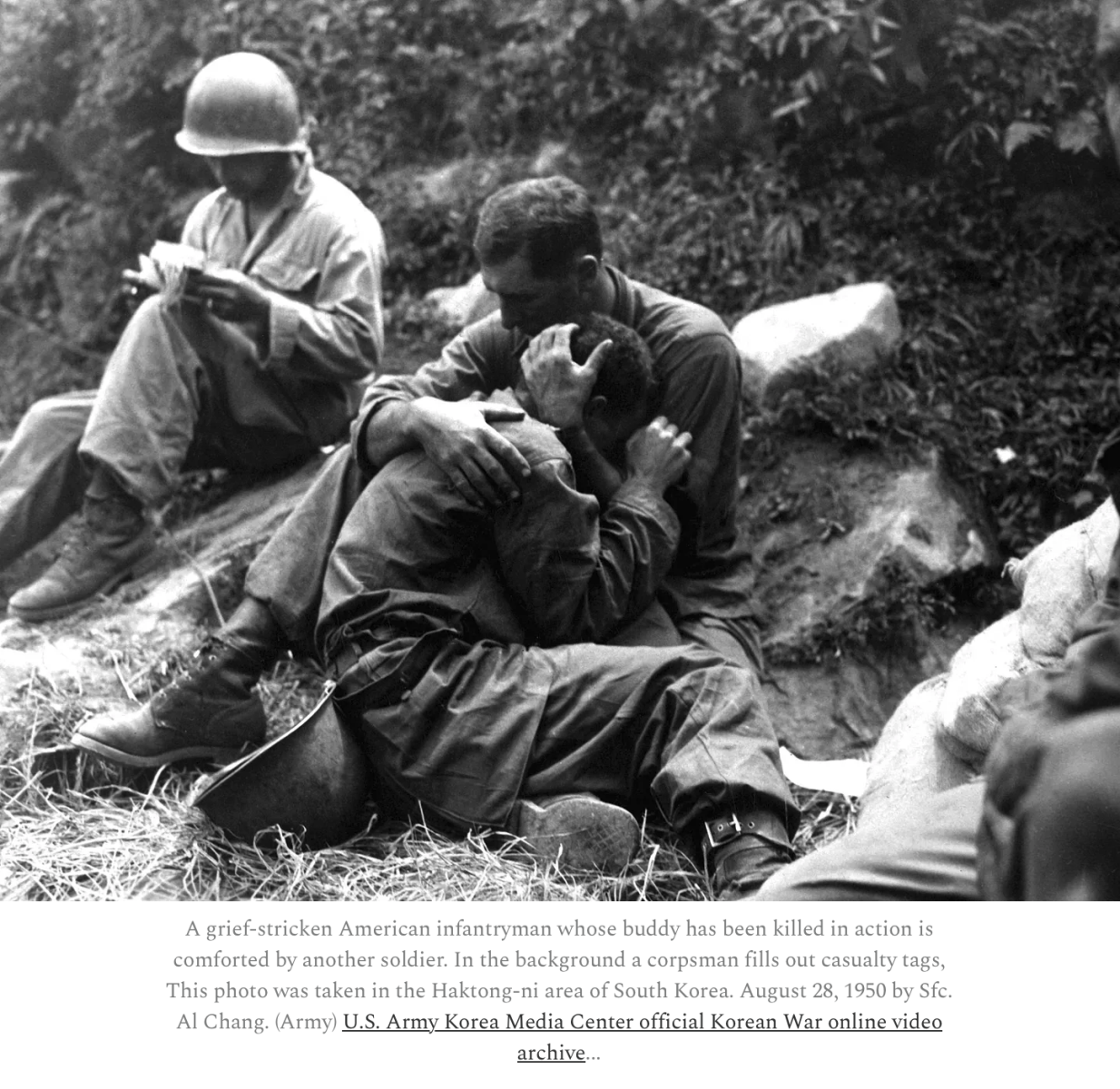
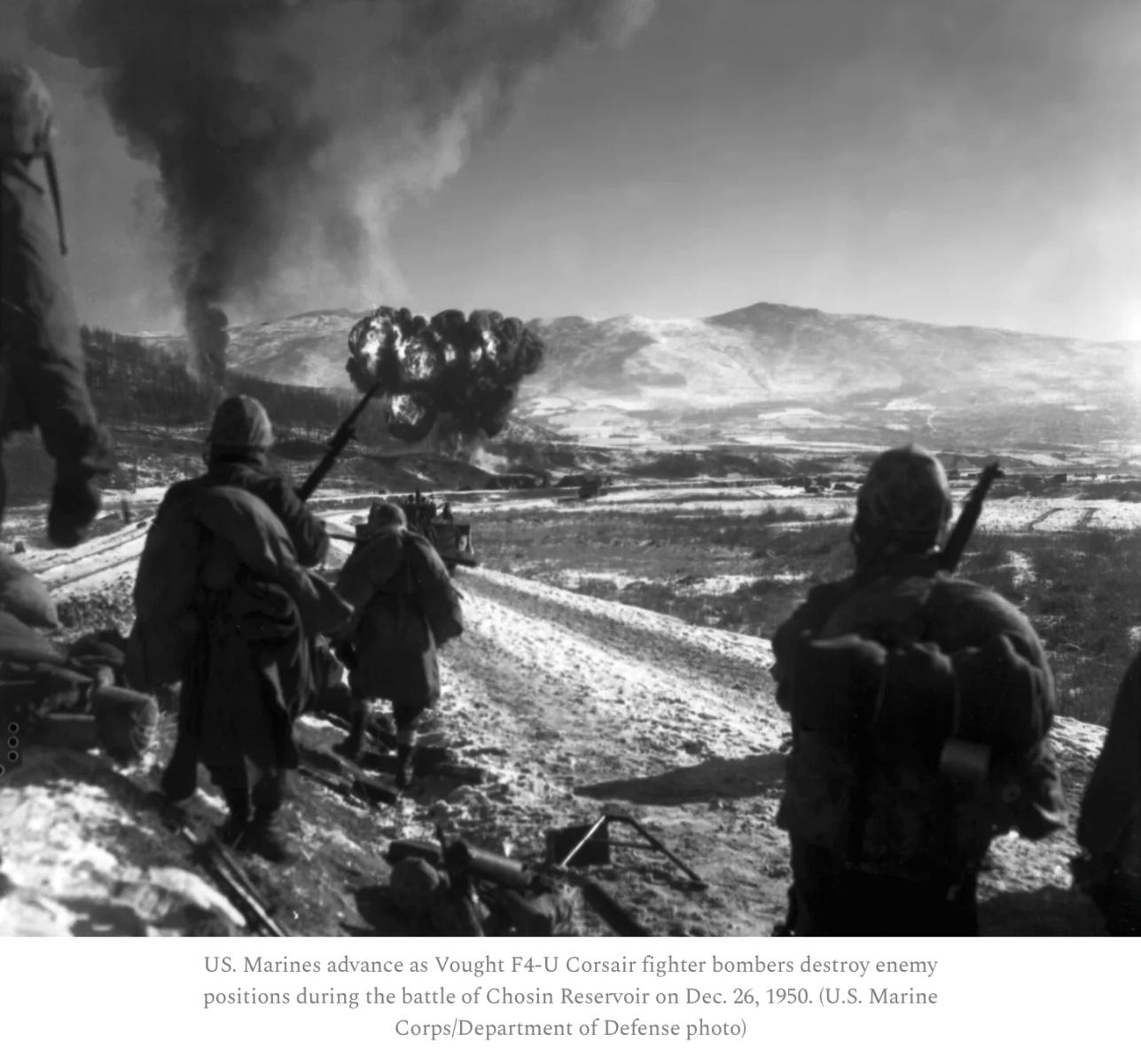
Korean War veterans are dwindling in number with age and their survivors are diffused geographically, but the sacrifice of those who served and their families needs to be remembered, Lee said.
He helped with an event in 2012 at the Gallagher-Bluedorn Performing Arts Center on the University of Northern Iowa campus in Cedar Falls, in cooperation with late Korean War veteran Sid Morris and the South Korean consulate in Chicago, in which “ambassador for peace” medals were distributed to more than 300 Iowa Korean War veterans.
The memory of their service should not be allowed to fade, particularly for the families and descendants of the men and women who served, Lee said.
“They should be proud of what South Koreans are doing. They should really be proud of what their father, grandfather, uncle, did during the Korean War,” Lee said. “The Korean War was a freedom fight. Whoever is an offspring, you cannot forget what they did for Korea and the interests of America.”